The global automotive aftermarket is projected to exceed $500 billion in 2025. We break down the key drivers — from EV adoption to supply chain reshoring — and what they mean for importers and distributors worldwide.
The global automotive aftermarket is undergoing a structural shift that few could have predicted just five years ago. As vehicle ownership continues to rise in emerging economies — particularly across the Middle East, Africa, and Southeast Asia — demand for high-quality spare parts has followed suit.
According to the latest data from the Global Automotive Aftermarket Symposium (GAAS), the market is on track to surpass $500 billion USD by the end of 2025, representing a CAGR of approximately 4.2% since 2020.
Key Drivers of Growth
Several macro-trends are fueling this expansion. First, the average age of vehicles on the road globally continues to rise — now sitting at over 12 years in most developed markets. Older vehicles require more maintenance and replacement parts, which directly benefits aftermarket suppliers.
Second, the proliferation of electric vehicles (EVs) is reshaping the parts landscape. While EVs have fewer moving mechanical components, they require specialized battery management systems, thermal management parts, and high-voltage electrical components — all emerging as high-growth segments.
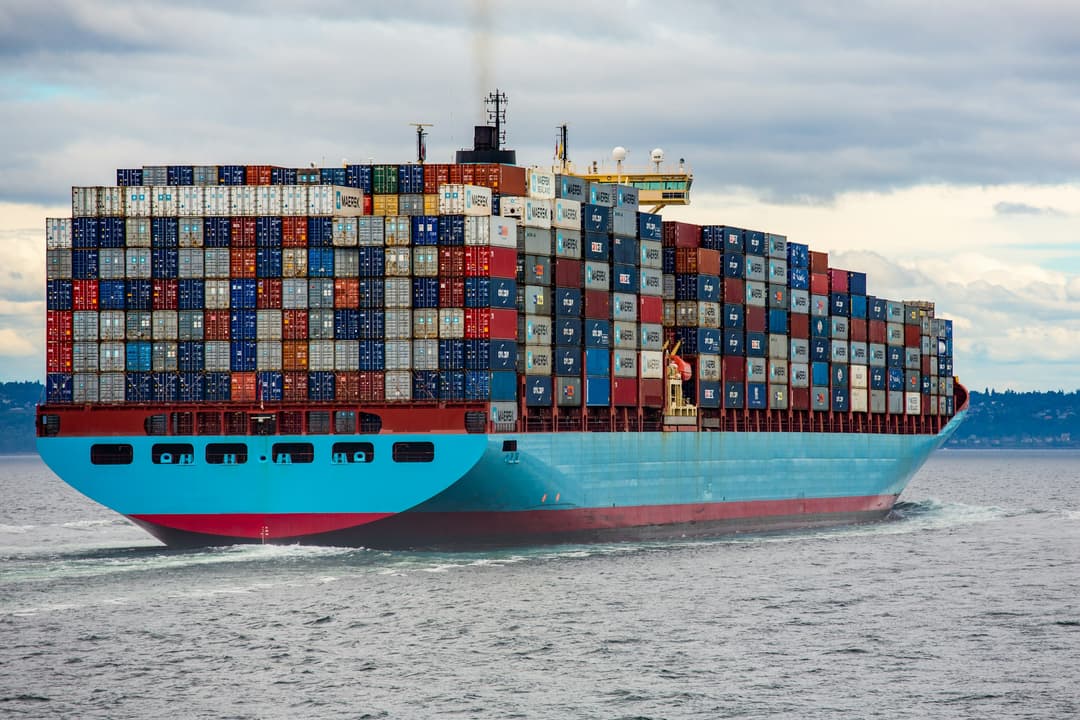
Third, supply chain disruptions of 2020-2022 prompted many distributors to diversify sourcing away from single-country suppliers. This has opened significant opportunities for multi-territory players like 3QNEXTGEN, who can bridge supply gaps across regions.


The Middle East Opportunity
The GCC automotive aftermarket alone is projected at $12.4 billion by 2025. Saudi Arabia and the UAE are the primary demand centers, driven by a large fleet of aging Japanese and American vehicles alongside a growing premium segment requiring European parts.
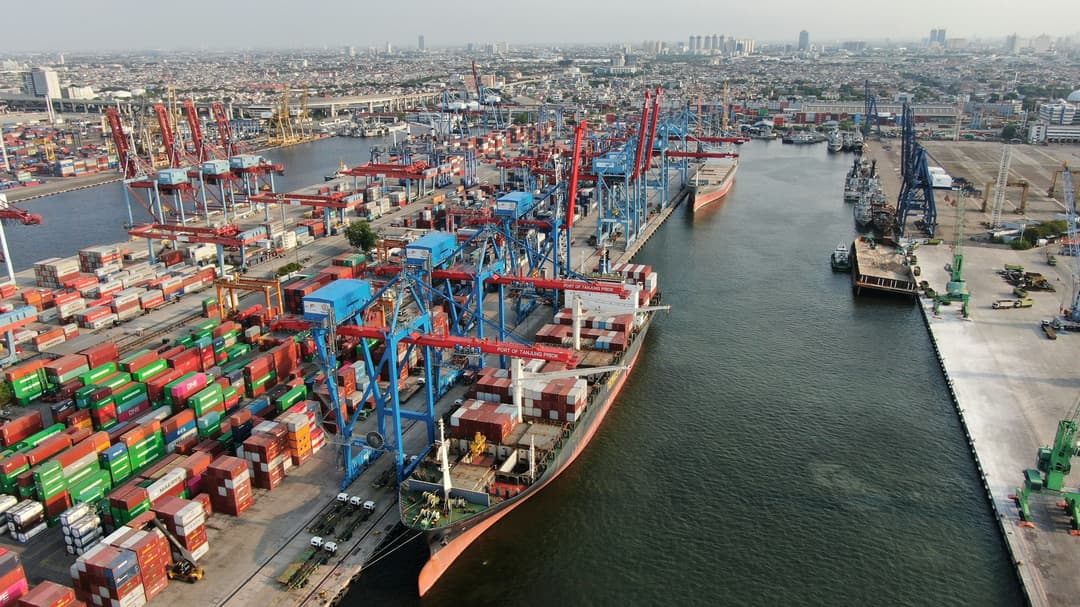
For importers and distributors, this means now is the time to diversify supplier relationships, optimize cargo consolidation, and ensure strict customs compliance to avoid port clearance delays.
Key Takeaways
- Divergent standards across markets require local regulatory knowledge.
- SABER and ESMA registration must be completed pre-shipment.
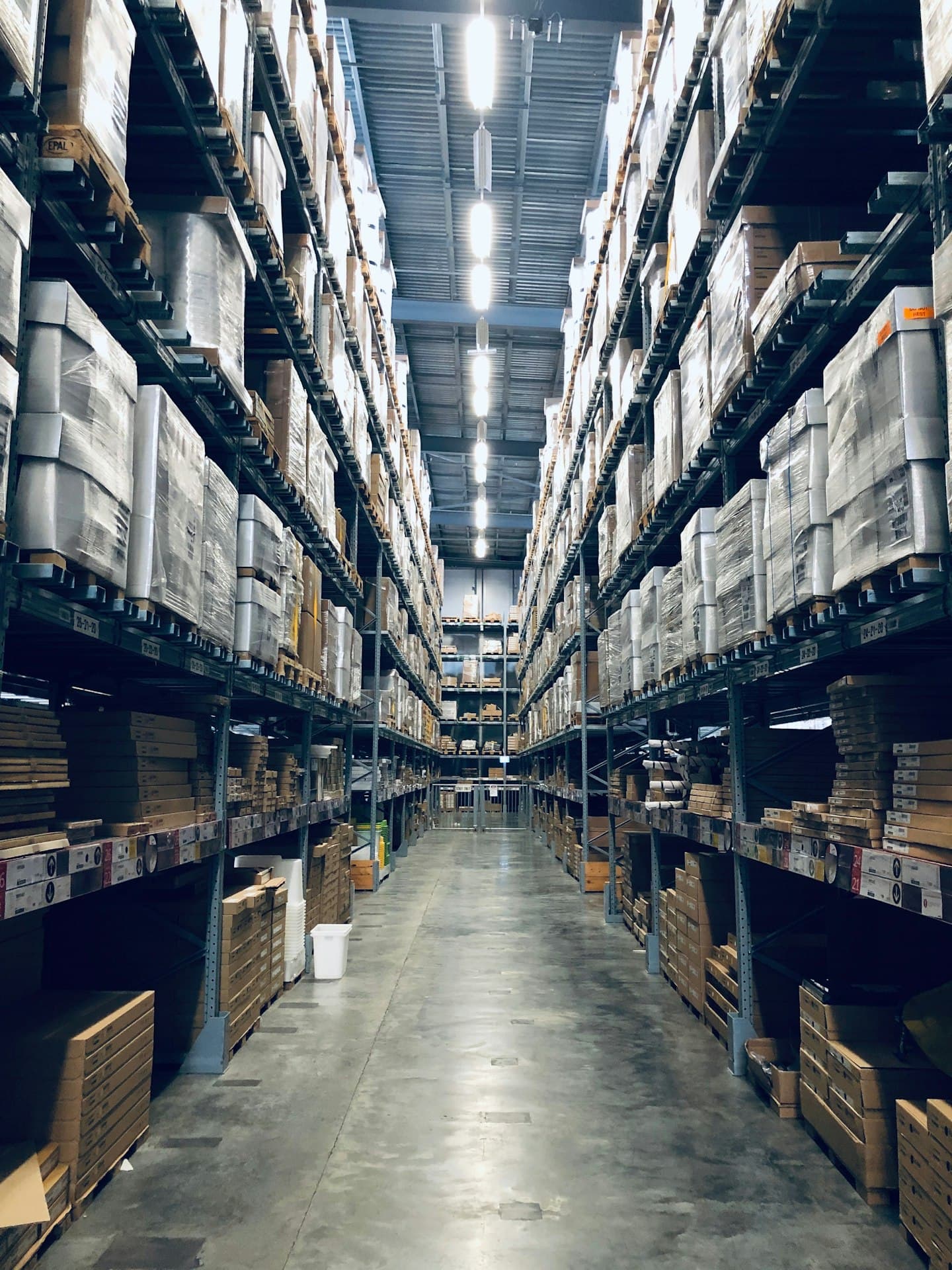
- Consolidated logistics hubs like Dubai optimize transit times.