A comprehensive guide on when to choose express air freight or cost-effective sea shipments for automotive components and machinery logistics.
When sourcing or exporting automotive spare parts, time-to-market and transport costs are two competing priorities. Finding the optimal balance between air freight and ocean freight can dramatically affect your operating margins and customer satisfaction levels.
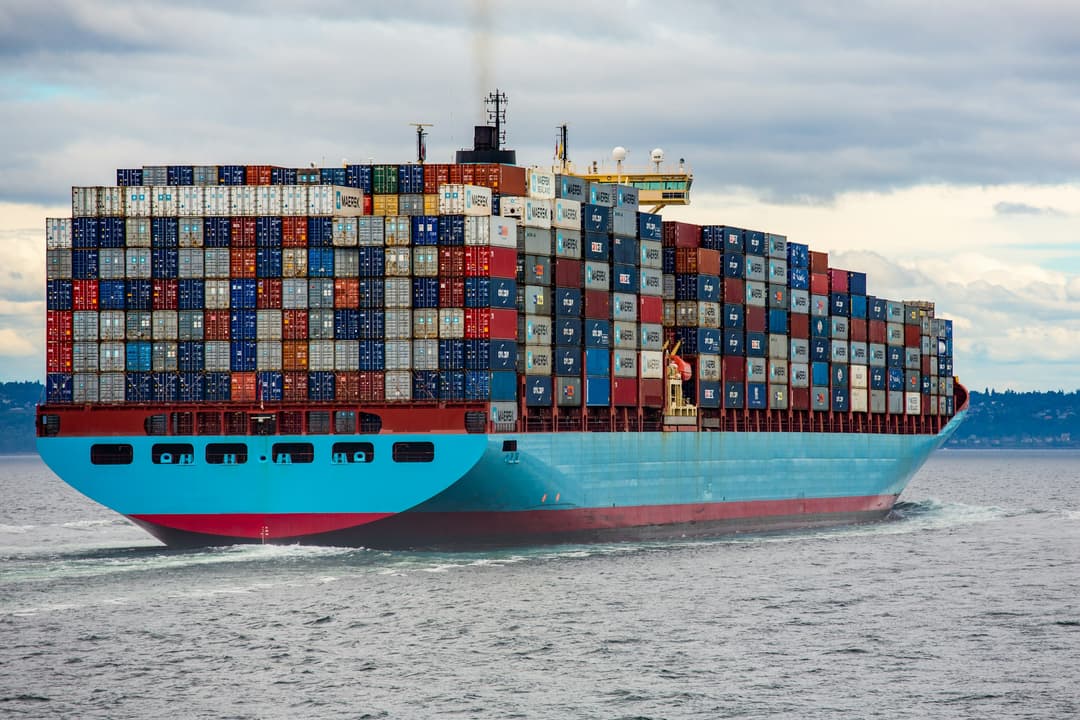
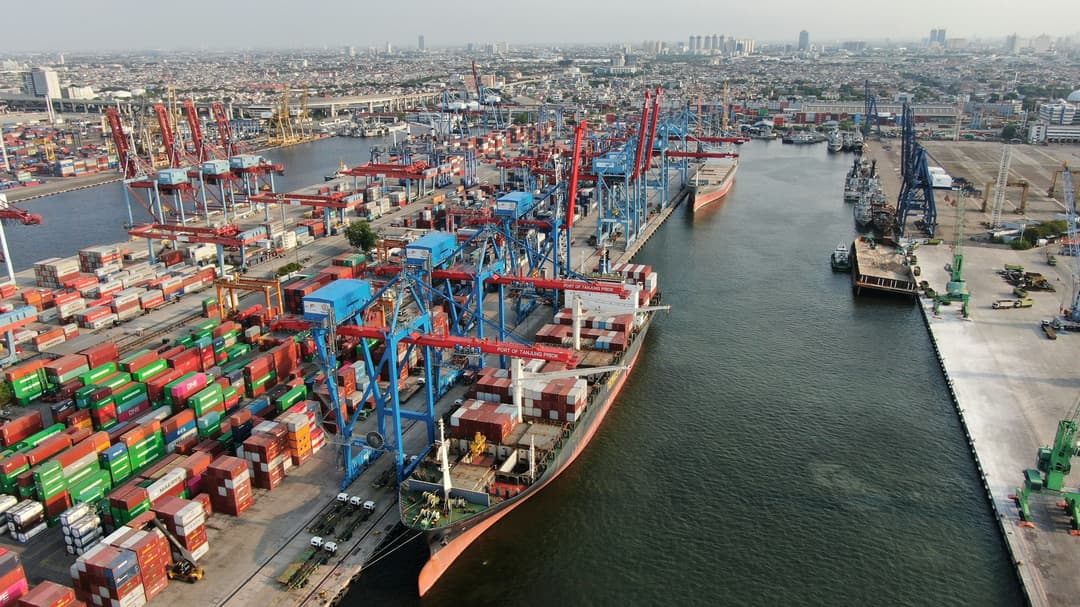
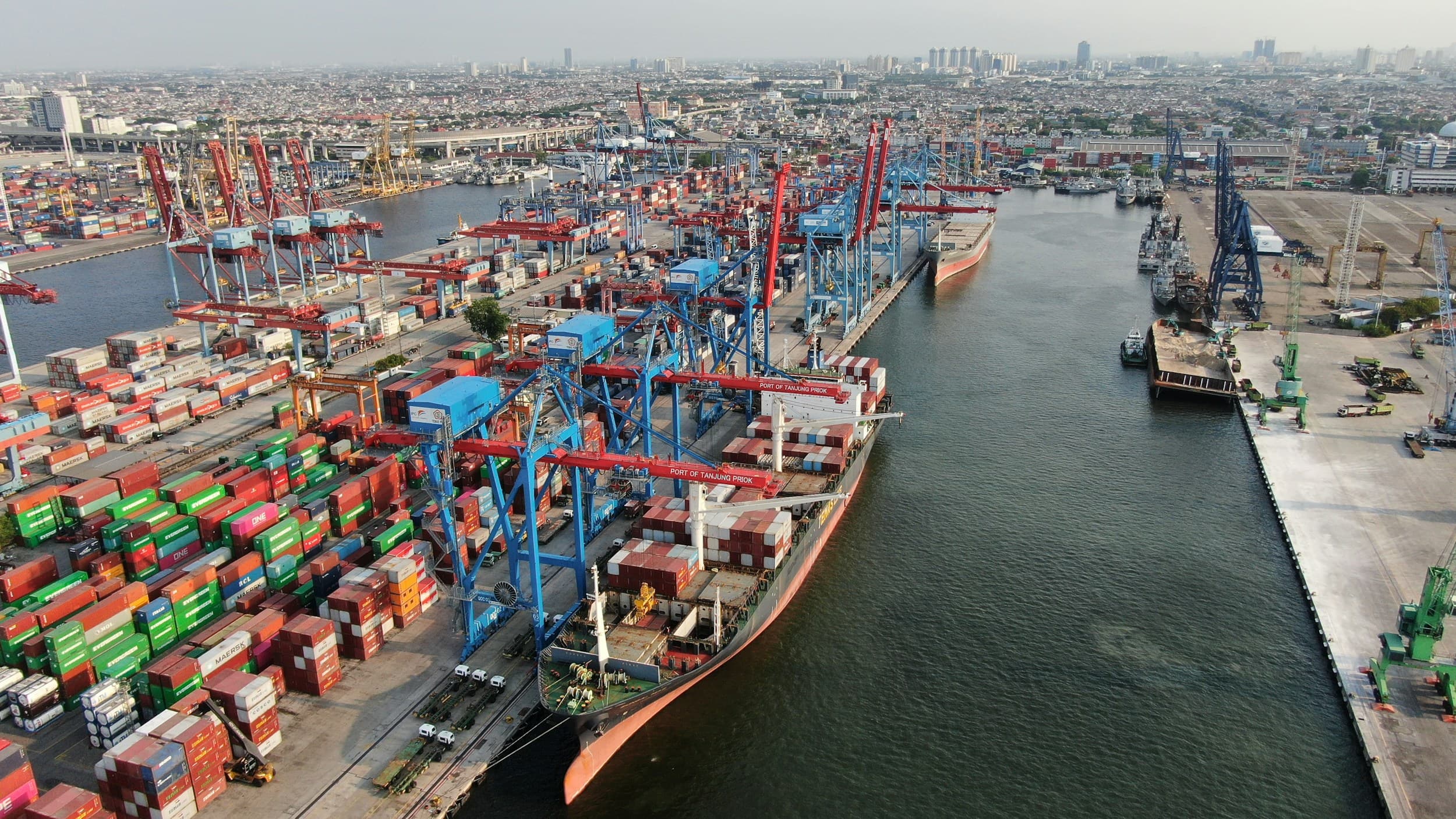
Air express shipments offer unparalleled speed, allowing you to fulfill urgent fleet maintenance orders or resolve factory shut-downs in days. However, sea freight remains the backbone of bulk spare parts supply chains due to its massive cost advantage for heavy components.
Comparing Transport Speeds and Schedules
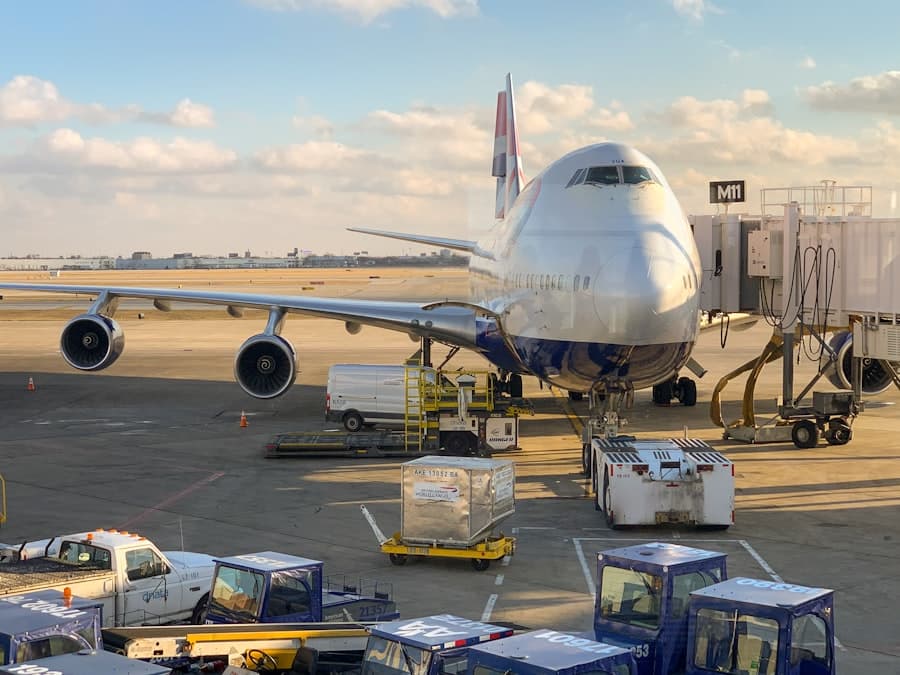
While ocean transit from manufacturing hubs in Asia or Europe to the Middle East can take anywhere from 15 to 40 days, air freight reduces this timeline to 3 to 7 days including customs clearance. For high-priority orders where down-time costs thousands of dollars per hour, air freight is the logical choice.
However, scheduling ocean freight with reliable liners provides highly predictable arrivals, making it easier to integrate into routine manufacturing and distribution cycles.


Cost Calculations and Volumetric Weight
Air freight costs are calculated based on actual weight or volumetric (chargeable) weight, whichever is higher. For heavy metal components like brake drums or engine blocks, air freight can quickly become cost-prohibitive. Ocean freight, on the other hand, charges by container volume (LCL or FCL), providing significant savings for bulky shipments.
Key Takeaways
- Air freight is ideal for low-weight, high-value, or urgent parts.
- Ocean freight offers unmatched cost-efficiency for bulk orders and heavy machinery components.
- A multi-modal strategy combines both to keep inventory balanced without overpaying.